There’s no shortage of “eco swaps” online.
Metal straws. Cute jars. Aesthetic bamboo everything.
But when people quietly ask, “Does this actually matter?”
They deserve an honest answer.
Because not all swaps are equal.
Some look sustainable but barely change anything.
Others are simple, unglamorous, and dramatically reduce environmental impact.
This guide focuses on six high-impact swaps supported by credible research.
Not trends. Not perfection.
Just changes that matter.
Why Swaps Feel Confusing (and Why Data Helps)
The average household is exposed to hundreds of sustainability messages every week, most of them incomplete.
Research from the UN Environment Programme and Project Drawdown shows that a small number of daily systems (energy, food, materials, transport) account for the majority of environmental damage.
That means the most effective swaps:
- reduce repeat waste
- affect high-volume items
- change systems, not symbols
So instead of doing more, we focus on doing what works.
- From Single-Use Cleaning Bottles → Concentrated or Refillable Systems
Why this matters
Traditional cleaning products are up to 90% water, shipped repeatedly in heavy plastic bottles.
According to the Environmental Defense Fund:
- Transporting diluted cleaners dramatically increases carbon emissions
- Single-use plastic cleaning bottles are rarely recycled due to residue and material mix
The impact
Concentrated or refill systems can reduce:
- plastic waste by up to 90%
- transport emissions by 70–95% (depending on format)
Indijio-approved direction
- Concentrated tablets or liquids
- Refillable glass or aluminum bottles
- Products designed for long-term reuse
This single swap affects weekly habits, making it one of the highest-impact changes in the home.

- From Bottled Water → Filtration Systems
Why this matters
Bottled water isn’t just about plastic, it’s about energy.
Studies from the Pacific Institute show that:
- Bottled water has up to 1,000× the carbon footprint of tap water
- Plastic bottles are among the most common ocean pollutants worldwide
The impact
Switching to a home filtration system can:
- eliminate hundreds of plastic bottles per person per year
- reduce long-term plastic exposure
- significantly lower household emissions
Indijio-approved direction
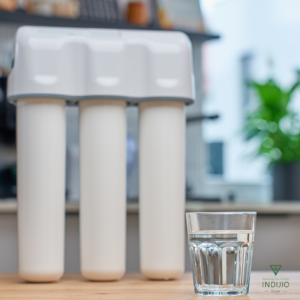
- Countertop or under-sink filters
- Reusable glass or stainless-steel bottles
- Systems with replaceable, recyclable filter components
This is a daily-use swap with compounding benefits. Then recycle used filters through manufacturer programs or specialized services like TerraCycle if available
- From Disposable Paper Towels & Wipes → Reusable Cloth Systems
Why this matters
Disposable wipes and paper towels contribute to:
- deforestation
- landfill volume
- microplastic pollution (especially wipes labeled “flushable”)
According to the Natural Resources Defense Council:
- Paper products account for 26% of landfill waste in the U.S.
- Most wipes contain plastic fibers that break down into microplastics
The impact
Reusable cloth systems can:
- reduce household waste by up to 40%
- eliminate recurring purchases
- lower long-term costs
Indijio-approved direction
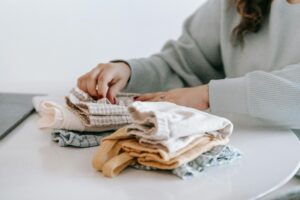
- Washable cotton or bamboo cloths
- Compostable paper for backup use
- Clear guidance on laundering without microplastic shedding
This swap is quiet, and powerful.
- From Synthetic Laundry Products → Low-Impact Laundry Systems
Why this matters
Laundry is one of the largest sources of microplastic pollution.
Research published in Environmental Science & Technology found that:
- A single load of synthetic laundry can release hundreds of thousands of microfibers
- These fibers pass through wastewater systems into rivers and oceans
The impact
Switching laundry systems can:
- reduce microfiber release
- lower chemical runoff
- decrease energy and water use
Indijio-approved direction
- Plastic-free detergent sheets or powders
- Cold-wash routines
- Natural fiber clothing when possible
- Microfiber-reducing wash accessories
Laundry is repetitive; small improvements here matter more than people realize.
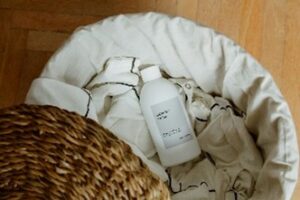
- From Fast-Turnover Personal Care → Refillable & Minimal-Ingredient Products
Why this matters
Personal care packaging is:
- difficult to recycle
- often multi-material
- frequently contaminated with residue
The Environmental Working Group notes that:
- Ingredient complexity often correlates with higher toxicity and environmental burden
The impact
Refillable, minimal-ingredient systems can:
- reduce packaging waste by 50–80%
- lower exposure to unnecessary chemicals
- simplify supply chains
Indijio-approved direction
- Refillable deodorants, soaps, and skincare
- Short ingredient lists with clear sourcing
- Packaging designed for reuse, not disposal
This swap supports both human and environmental health.

- From Trend-Driven Buying → Fewer, Better, Longer-Lasting Essentials
Why this matters
Fast consumption, even of “eco” products, still creates waste.
According to MIT’s Materials Systems Lab:
- Extending the life of products by just nine months can reduce environmental impact by 20–30%
The impact
Buying fewer, higher-quality items:
- reduces manufacturing demand
- cuts shipping emissions
- lowers long-term waste
- saves money over time
Indijio-approved direction
- Durable materials
- Repairable designs
- Timeless functionality
- Brands that support longevity, not replacement cycles
This is the most overlooked and most transformative swap.

What These Swaps Have in Common
They all:
- address high-frequency use
- reduce systemic waste
- improve supply-chain efficiency
- work quietly in the background
- don’t require lifestyle overhauls
Sustainability doesn’t need to be loud to be effective.
A Grounded Way Forward
You don’t need to change everything.
You don’t need to keep up with trends.
You don’t need to feel behind.
When swaps are chosen with clarity, backed by data, they become tools for progress, not pressure.
At Indijio, we focus on:
- systems over symbols
- regeneration over reduction
- long-term impact over short-term trends
Because the most powerful changes are often the simplest ones, repeated every day.