
A calm, practical guide to eco-labels, greenwashing, and what “regenerative” really means
Shopping consciously shouldn’t feel like studying for an exam.
Yet somewhere along the way, buying a simple household item became a confusing, noisy, and emotionally heavy process.
“Eco-friendly.”
“Clean.”
“Sustainable.”
“Planet-safe.”
Most of us want to do the right thing, but the labels don’t make it easy.
This guide is here to bring clarity. Not perfection.
To help you understand what actually matters, what doesn’t, and the simple questions that cut through greenwashing so you can shop with confidence and calm.
Why Conscious Shopping Feels So Confusing Right Now
The truth is uncomfortable but important:
The majority of environmental harm originates from production and supply chains, not individual consumer behavior.
According to the UN Environment Programme, up to 90% of biodiversity loss and water stress, and more than 50% of climate impacts, are caused by resource extraction and manufacturing, long before a product reaches a shelf.
Yet marketing has quietly shifted the responsibility onto consumers:
Recycle better. Choose better. Try harder.
This has created anxiety, not solutions.
Conscious shopping isn’t about doing everything right.
It’s about knowing where your attention actually makes a difference.
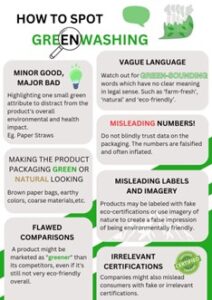
First, Let’s Clear Up the Language
“Eco-friendly”
There is no legal definition for this term in most countries.
It can mean anything or nothing.
If a brand only uses this phrase without explanation, it’s a red flag.
“Sustainable”
Sustainability asks:
How do we do less harm?
That’s important, but it’s not enough anymore.
A product can be “sustainable” and still:
- rely on extractive systems
- use virgin plastic
- ignore soil health
- underpay labor
“Regenerative”
Regenerative goes one step further. It asks:
Does this product help restore what was damaged?
Regenerative practices focus on:
- rebuilding soil health
- increasing biodiversity
- improving water cycles
- drawing carbon back into the land
- creating resilient communities
This is not a trend.
It’s a systems shift, and one backed by growing scientific consensus.
What to Look For When Shopping (What Actually Matters)
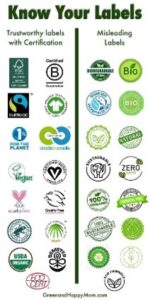
You don’t need to check everything.
Just focus on high-impact signals.
- Transparency beats claims
Trust brands that show you:
- where ingredients come from
- how products are made
- what materials are used
- how impact is measured
- Vague promises with no detail are not transparent
- Fewer ingredients, fewer problems
In personal care and cleaning products:
- simpler formulations are usually safer
- fewer ingredients = easier traceability
- long chemical lists often hide unnecessary additives
Research from the Environmental Working Group shows that ingredient transparency strongly correlates with lower toxicity profiles.
- Packaging choices matter, but context matters more
Plastic-free is ideal, but not always realistic.
What matters more:
- refillable systems
- concentrated products
- reduced shipping weight
- recyclable materials that are actually accepted locally
Sometimes a durable refill system has a lower footprint than a fragile “plastic-free” alternative.
- Shipping & logistics are often ignored, but critical
Transportation emissions are a major contributor to climate impact.
According to the International Transport Forum, freight accounts for nearly 40% of transport-related CO₂ emissions globally.
Brands that optimize shipping, reduce unnecessary miles, and consolidate deliveries are quietly doing meaningful work.
- Measurable impact beats intention
Look for brands that:
- partner with verified environmental projects
- measure carbon, soil, or biodiversity impact
- publish progress, not just goals
Intentions are easy. Measurement takes effort.
What Doesn’t Matter as Much as We’ve Been Told
This part often surprises people.
- Being “perfect”
Perfection is not required and never was.
Environmental progress comes from systems changing, not individuals exhausting themselves.
- One-off “eco” purchases
Buying a single “green” item won’t offset an extractive lifestyle and that’s okay.
Focus on repeat habits and long-term systems, not symbolic gestures.

- Trend-driven sustainability
If something suddenly becomes popular without explanation, research, or long-term commitment, pause.
Real change moves slower. Quietly. Consistently.
Simple Questions to Ask Before You Buy
You don’t need a checklist, just a few grounded questions:
- Does this brand explain how their product reduces harm or restores ecosystems?
- Are their claims backed by data, certifications, or partnerships or just language?
- Is this product designed to be reused, refilled, or last longer?
- Does the company take responsibility beyond the point of sale?
- Would this product still make sense if sustainability wasn’t a marketing advantage?
If the answers feel clear, you’re on the right track.

A Gentler Way Forward
Conscious shopping is not about carrying the weight of the world in your grocery bag.
It’s about:
- choosing transparency over noise
- systems over guilt
- regeneration over reduction
At Indijio, we believe the future of commerce isn’t about asking consumers to “do better.”
It’s about building ecosystems where better choices are the default, where brands, logistics, and environmental repair work together quietly in the background.
You don’t need to be perfect.
You just need access to clarity.
And clarity changes everything.